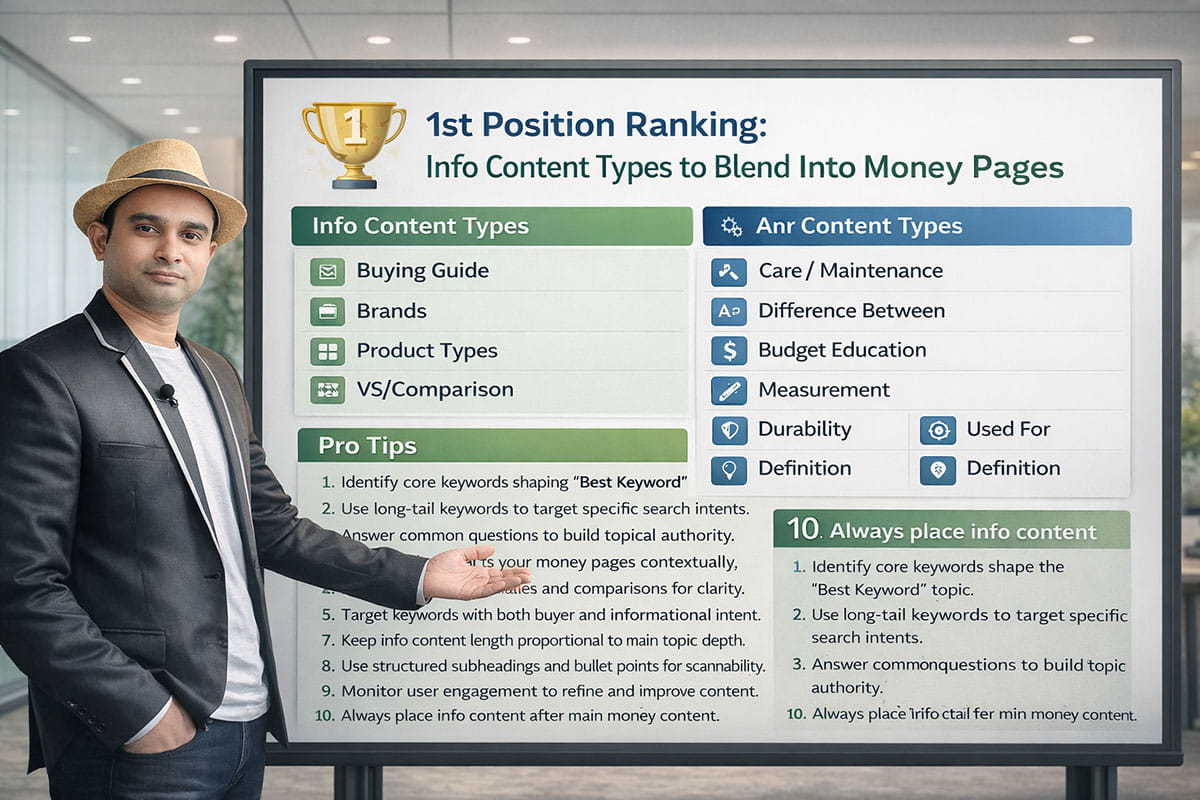
In today’s Amazon affiliate marketing world, simply having great product reviews isn’t enough to rank in the top positions. You also need other elements, such as informational content, which encourages buyers to make a purchase and showcases your expertise to search engines. This kind of content not only builds trust with your audience but also helps push your money page toward 1st position ranking.
Note: You’ll find several prompts on this topic below.
I keep this article regularly updated with the latest market trends, research insights, and my own test results, so I recommend checking back often to get the most accurate and up-to-date information.
For Free Training and Support: Join Our Social Platforms
Facebook Page: Sarkar State Official Facebook Page
Facebook Group: Sarkar State – Official Facebook Group
YouTube Channel: Sarkar State – Official YouTube Channel
Want to Start Amazon Affiliate Marketing? Join My Step-by-Step Course: Amazon Affiliate Marketing Course
Info Content Types
You should craft your informational content around the in-depth topics you’re strategically targeting. From my experience as a blogger, this is where many affiliates make mistakes. They write random informational topics that don’t truly support their core money pages.
Instead, each piece of information should be intentionally built around the primary topics you want to rank for. That’s how you create real topical authority and long-term SEO growth.
- Buying Guide
- Brands
- Product Types
- VS/Comparison
- Care/Maintenance
- Difference Between
- Budget Education
- Measurement
- Durability
- Used For
- Definition
- Pro Tip
- FAQs
Buying Guide
A buying guide helps readers understand what features matter before purchasing. This builds trust, reduces confusion, and naturally leads users toward your recommended products with stronger buying intent.
It covers key factors like – size, materials, performance, budget considerations, and customer feedback.
Example:
- How to choose the best smartphone?
- What Factors Should You Consider Before Buying “a Keyword / the Best Keyword”?
- What Should You Look for in a High-Quality “a Keyword / the Best Keyword“?
- How Do You Choose the Right “a Keyword / the Best Keyword” for Your Needs?
- Which Features Matter Most When Buying “a Keyword / the Best Keyword”?
Content Length: 500-700 words / 7–10 key points
Brands
Adding a brands section highlights reputable manufacturers in the niche. This builds authority and helps readers compare trusted options instead of randomly choosing products, improving both engagement and conversions.
Discuss – brand reputation, strengths, warranties, and budget range, their product recommendations for.
Example:
What Are the Best Smartphone Brands?
What Are the the “Top-Rated/Best-Rated/ Top/Best Keyword Brands” Worth Considering?
Which “Keyword Brands” Are Trusted by Home Cooks and Chefs?
What “Top-Rated/Best-Rated/ Top Keyword Brands” Offer the Best Value for the Money?
How Do the “Top-Rated/Best-Rated/ Top/Best Keyword Brands” Compare in Quality, Price, and Performance?
What Are the “Top-Rated/Best-Rated/ Top/Best Keyword Brands” for Durability and Performance?
Content Length: 250-400 words
Product Types
A product types section breaks down the main categories within your niche, helping readers quickly understand their options. This structure reduces confusion and guides users toward the most suitable choice, increasing clarity and conversions on your money page.
Content Length: 200-400 words
VS/Comparison – Product, Model, Feature, Material
Using informational content like comparisons between two similar-looking products, comparing similar models/types of a product, evaluating multiple similar features within a single product, or even contrasting different materials used in one product can significantly increase the chances of ranking in the first position.
Care/Maintenance
Including care and maintenance advice shows long-term product value. Readers want to know how to clean, store, and maintain items properly. This practical guidance increases trust and positions your page as genuinely helpful, not purely sales-driven.
Content Length: 200-400 words
Difference Between
A “difference between” section compares similar products or variations. Clear comparisons reduce confusion and speed up decision-making. This content also targets comparison-based keywords, which often have strong commercial intent and high conversion potential.
Content Length: 200-400 words
Budget Education
Discussing Price/Budget ranges sets realistic expectations. Explain budget, mid-range, and premium tiers, and what buyers get at each level. This prevents sticker shock and helps readers choose products aligned with their financial comfort zone.
Content Length: 150-300 words
Measurement
Measurement information helps buyers understand sizing, capacity, or dimensions before purchase. Including practical examples makes it easier to visualize real-world use, reducing returns and increasing buyer confidence.
Content Length: 150-300 words
Durability
A durability section focuses on materials, build quality, and expected lifespan. Readers care about long-term value. Explaining what affects durability builds credibility and encourages smarter purchasing decisions.
Content Length: 100-200 words
Used For
Describing common uses clarifies who the product is ideal for. Whether for home use, professional settings, or specific tasks, this section helps readers quickly determine if the product matches their needs.
Content Length: 100-200 words
Definition
A clear definition explains what the product is and how it works. This is especially helpful for beginners and supports informational keyword targeting, strengthening topical authority while guiding readers toward purchase-ready content.
Content Length: 50-100 words
Pro Tip – Last But Not Least
Finally, provide the top 10 pro tips to understand the whole concept in a single segment.
Content Length: 10 lines or sentences, each containing 10–18 words.
Do not write in paragraph style; present it line by line.
Prompt for Pro Tip
Write 10-15 key lines (each line 8-14 words) to help build topical authority around “Keyword“. Buyer + informational intent mix. Supporting content for a main pillar like “Best Keyword”.
Write 10–15 key lines, each 8–14 words long, that help build topical authority around “Keyword.” Include a mix of buyer intent and informational content. These lines should serve as supporting content for a main pillar article like “Best Keyword.”
Please note:
• Use serial lists (1, 2, 3).
• Do not use em dashes (—).
• Do not bold any words or phrases in the line.
FAQs
At the end, include at least 10 FAQs that highlight your primary keyword and support topical authority. Answer each FAQ within 30 words. Use proper FAQ schema markup, and if possible, format each question using H4 tags to improve search engine visibility.
Prompt for FQAs
FAQs Idea
Give me 10 FAQ ideas about the “Keyword”. Only questions, not answers.
Suggest the top 10 FAQs about the “Keyword”. Only questions, not answers.
Answers to FAQs
Write an answer to these FAQ within 30 words, not fewer or more. Also, add “Question:” word before the questions and “Answer:” word before answers. Bold the “Question:” “Answer:” word and the whole question. Don’t use 1,2,3 type serial number, this type of dash symbol(—) and separator lines between the questions.
My Recommendation
Whatever you write in this section should always be placed after the main money content or reviews – never before it, under any circumstances.
From my experience building affiliate pages, positioning matters just as much as the content itself. Informational support sections work best when they reinforce buying intent, not distract from it. That’s why I always place them after the core commercial content.
Money vs. Informational Content Ratio In A Money Article
Getting the balance right between money and informational content is crucial. If your money article is around 2,000 words, the blended informational content should ideally range between 2,000 and 3,000 words. That means your total content length for a money page will be around 4,000 to 5,000 words.
In practical terms, your informational portion should be at least 125% more than the money-focused section.
This approach naturally builds depth, topical authority, and stronger SEO signals – without making the page feel overly commercial.
Structure of Informational Content
When structuring informational content, I personally aim to cover 3-4 focused topics per 1,000 words. That means each topic should typically fall within the 250-500-word range.
Additionally, for every 100 words, try to include 2-3 subheadings or bullet points. This keeps the content scannable, structured, and engaging – while also improving user experience and on-page SEO performance.
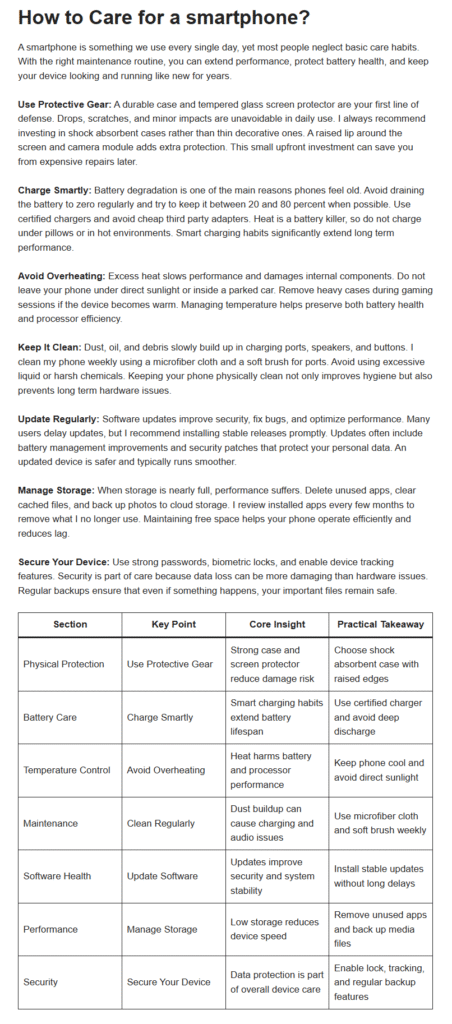
Table for Informational Content
Whenever you create an informational section, make sure to generate a relevant table using AI based on that specific topic. Adding a structured table instantly makes the content clearer, more professional, and easier to scan.
Once the table is generated, simply copy it and paste it directly into WordPress right after the informational content.
A well-informative table not only enhances user experience but also increases time on page and perceived content value.
Prompts for Info Content and Answer
Prompt-1: Specific Questions
Keyword Authoritative Specific Questions with Buyer + Informational Intent Mix
I want “article-style” topical 10 questions (not short FAQs) where each topic can comfortably support a 200–700 word mini-article and help build topical authority around “Keyword“. Buyer + informational intent mix. Supporting content for a main pillar like “Best Keyword”. Just give me questions, no breakdown data.
Most importantly, use content ideas like “Buying Guide, Brands, Product Types, Care/Maintenance, Differences, Budget Education,” etc., to generate those questions.
Prompt-2: Random Questions
Keyword Authoritative Random Questions with Buyer + Informational Intent Mix
I want “article-style” topical 10 questions (not short FAQs) where each topic can comfortably support a 200–300 word mini-article and help build topical authority around “Keyword“. Buyer + informational intent mix. Supporting content for a main pillar like “Best Keyword”.
———————
For Multi-Keyword: If you have multiple keywords, use this format in the keyword section:
- Keyword-use for 4 questions; Keyword-use for 2 questions; Keyword-use for 1 question; Keyword-use for 1 question; Keyword-use for 1 question; Keyword-use for 1 question
Prompt-3: Questions Answer
Questions Answer
Write answers to each question in 200–300 words (no fewer, no more).
Each response should include:
• Include a short introduction at the beginning and a short conclusion at the end, each between 30–50 words.
• 4-7 key points that summarize the main ideas (no symbols before the point, just use “:” at the end of the point, each point should be 1–4 words, each point should be bold, writing starts right after “:” of the point). Each point must be expanded with 40–80 words of explanation.
• A writing style that reflects a professional blogger and expert, sharing practical expertise and actionable insights.
Please note:
• Do not use numbered lists (1, 2, 3).
• Do not use em dashes (—).
• Do not bold any words or phrases outside the bullet titles.
Prompt-4: Answers Table
Prompt for Table
Create a multi-column, multi-row summary table based on the above answer so readers can understand the key insights at a glance.
The table should:
- Table Format: No code, just the plain table I can copy-paste into a Table block.
- Include columns for: Key Point, Section, Core Insight, Practical Takeaway. {An appropriate/custom column title (with in 1-3 words) is highly recommended.}
- If the recommended format is not suitable for presenting the answer in a table, you may use your own judgment to create the most appropriate table structure, including relevant rows, columns, and key points.
- Convert each bullet point into a separate row
- Keep each cell concise
- Use clear, simple language
- Avoid repeating full sentences from the main content
- The table should be in a regular format, not HTML.